Tree Cabling and Bracing: Techniques for Preserving Structural Integrity Dec 13, 2025
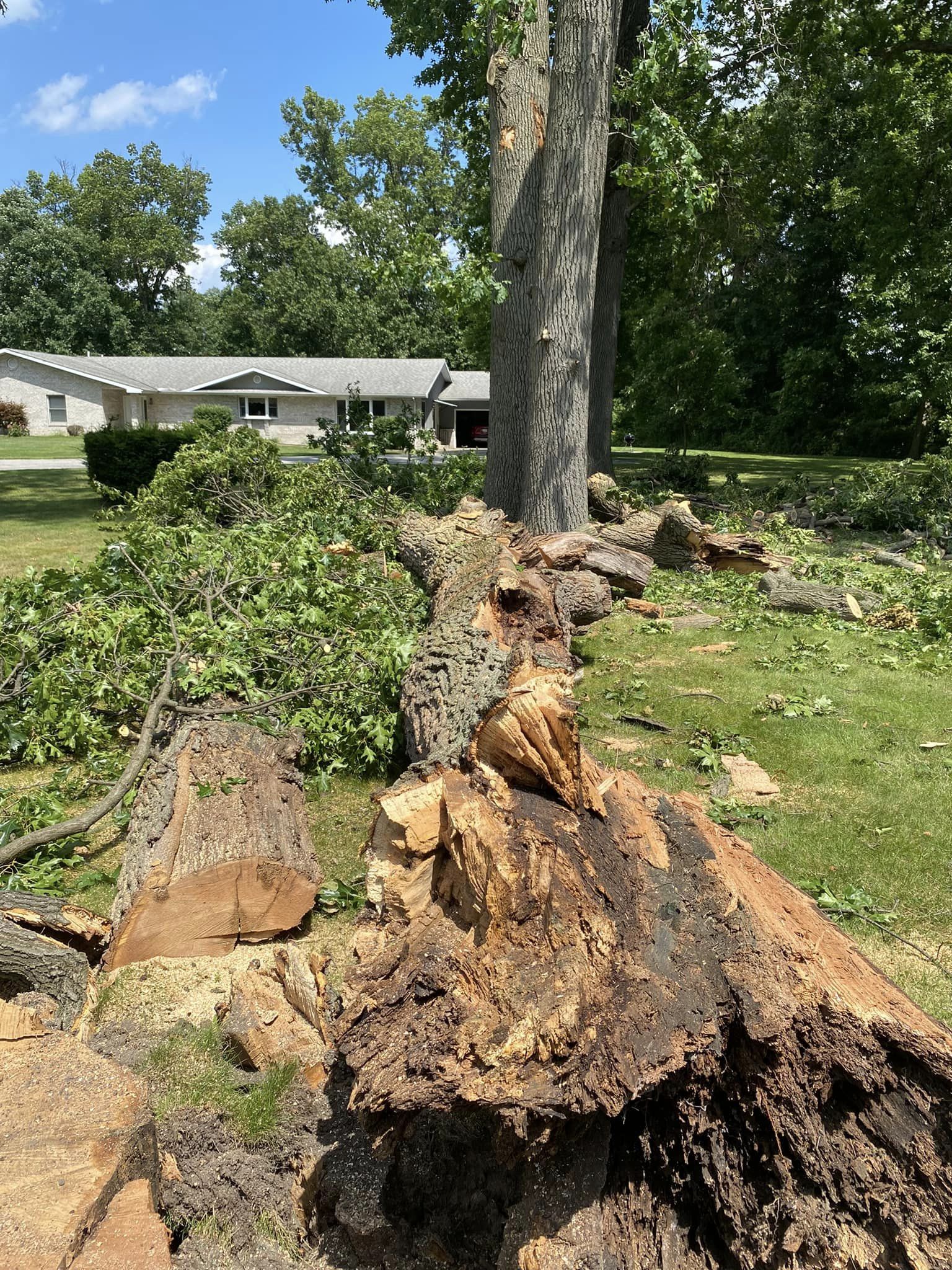
Trees, much like any other living organism, grow and change over time. As they mature, certain structural weaknesses may develop that can potentially threaten their stability. These weaknesses can be due to environmental factors, physical damage, or inherent growth patterns. When limbs grow too heavy or when multiple trunks are present, the risk of limbs splitting or breaking significantly increases. This is where tree cabling and bracing come into play.
Tree cabling involves the installation of flexible steel cables strategically placed in the upper canopy of a tree. The purpose of these cables is to limit the movement of limbs, thereby reducing the risk of breakage during high winds, ice storms, or other intense weather conditions. Cables are often placed between branches or across multiple trunks to share the load and provide additional support. This method does not prevent movement completely but ensures that branches are less likely to snap under unexpected stress.
Bracing, on the other hand, involves the use of rods that are installed through weak or split branches to provide internal strength. This technique is particularly effective for trees that have developed cracks or splits in the trunk or where large limbs meet. By installing rods, these joins or cracks are reinforced, significantly preventing further splitting and ensuring the tree’s structural integrity is maintained.
At Highborn Tree Service, our certified arborists assess each tree individually, determining whether cabling, bracing, or a combination of both is needed. The decision depends on the tree's species, age, health, and specific weaknesses. It's crucial that these techniques are applied properly, as improper installation can exacerbate existing problems or create new ones.
The benefits of cabling and bracing go beyond merely preserving a tree’s aesthetic value. These methods effectively extend the life of a tree that might otherwise be deemed hazardous. In essence, it is an investment in the future of a tree and the landscape as a whole. Furthermore, by managing limb movement and providing support, the likelihood of extensive property damage during severe weather is significantly reduced.
Choosing a professional tree service company, such as Highborn Tree Service, ensures that these support systems are installed to industry standards, enhancing safety and performance. Our team not only has the technical skills required but also employs an understanding of tree biology and biomechanics to make the most informed, beneficial decisions for your trees.
In conclusion, tree cabling and bracing are invaluable tools in maintaining the health and safety of your trees and property. For any homeowner looking to preserve the beauty and structural integrity of their landscape, consulting with professional arborists who are experienced in these techniques is a wise step. Regular assessments and maintenance performed by experts can help ensure that your trees remain a safe and integral part of your sanctuary for many years to come.
/filters:no_upscale()/filters:format(webp)/media/82e7805c-a28a-4cf7-90df-90bbca6c7a50.jpeg)
/filters:no_upscale()/filters:format(webp)/media/dc0278ac-eeb6-4999-b7f1-9bfd4ef98f4b.jpeg)